 Reviews


 Proudly American


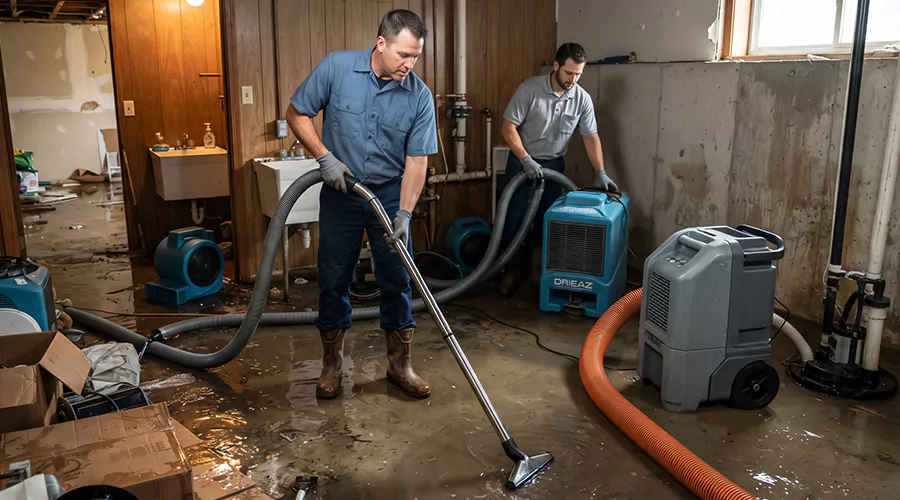
Flood damage restoration typically costs about $5,000 to $15,000 in 2026 when outside floodwater enters a home. The final amount depends on the affected area and how long materials stayed wet. Contamination also raises the price because outdoor floodwater is usually treated more cautiously than a clean plumbing leak.
The cost can rise beyond this range when flooring or drywall needs replacement. Structural repairs create another expense after the property is dry.
What Is Included in Flood Damage Restoration Cost?
Flood restoration pricing can include water extraction and structural drying before repairs begin. Cleaning is often needed because floodwater can carry soil or sewage. Reconstruction may be listed separately, so two estimates can look different even when they cover the same property.
Typical work can include:
- Standing-water extraction
- Removal of damaged porous materials
- Cleaning salvageable hard surfaces
- Air movers and dehumidifiers
- Moisture monitoring
- Drywall or flooring repair
- Final reconstruction
The flood damage restoration cost should be reviewed by phase. Cleanup and drying are different from rebuilding damaged finishes.
How Much Does Flood Restoration Cost per Square Foot?
Flood-related cleanup commonly costs about $9 to $12 per square foot when the water is heavily contaminated. This range usually covers extraction and drying rather than complete reconstruction. A 500-square-foot affected area could therefore cost about $4,500 to $6,000 before major repairs.
| Affected Area | Approximate Cleanup and Drying Cost |
|---|---|
| 250 sq. ft. | $2,250 to $3,000 |
| 500 sq. ft. | $4,500 to $6,000 |
| 750 sq. ft. | $6,750 to $9,000 |
| 1,000 sq. ft. | $9,000 to $12,000 |
The flood restoration cost can be higher when finished walls or built-in cabinets are affected.
Why Does Floodwater Cost More to Restore?
Outside floodwater can contain bacteria or sewage, which changes how wet materials are handled. Porous materials may need removal instead of ordinary drying. That difference is why a storm flood can cost more than a similar amount of clean water from a broken supply line.
Black water flood damage can affect:
- Carpet padding
- Drywall
- Insulation
- Upholstered furniture
- Fiberboard
- Some engineered flooring
Hard surfaces such as tile or concrete may be easier to clean. Porous materials can retain contamination below the visible surface.
What Repairs Can Increase the Final Cost?
Repair costs rise once water damages building materials instead of only wetting exposed surfaces. Flooring or drywall replacement can add hundreds or thousands of dollars. Mold treatment can also become a separate expense when the structure remains wet for too long.
| Additional Work | Typical 2026 Planning Range |
|---|---|
| Drywall repair | $300 to $850 |
| Flooring repair | $200 to $3,000 |
| Mold remediation | $1,200 to $3,800 |
| Basement repair | $500 to $2,800 |
| Sump pump with installation | Around $1,200 |
These current national planning ranges show why repair work can quickly exceed the initial water-removal bill. The flood remediation cost becomes easier to understand when cleanup charges are separated from later repairs.
How Does the Cost Grow if Floodwater Sits Too Long?
Flood damage becomes more expensive when water keeps moving into absorbent materials. The first hours may involve extraction only. Several days of moisture can lead to swollen finishes or mold growth, which increases material removal and repair needs.
| Damage Stage | Typical Condition | Cost Effect |
|---|---|---|
| Early | Water on exposed surfaces | Lower cleanup scope |
| Developing | Flooring or drywall becomes wet | More drying required |
| Advanced | Several materials stay saturated | Removal becomes more likely |
| Severe | Mold or structural damage appears | Repair scope increases sharply |
The flood clean up cost is usually lower when extraction starts before water reaches several building layers.
Can You Estimate the Cost Yourself?
A rough estimate can start with affected square footage. Measure the wet length and width, then multiply the two numbers. For contaminated floodwater, about $9 to $12 per square foot provides a starting point for extraction and drying.
For example:
- Measure a 20-foot by 25-foot flooded area.
- Multiply the dimensions to get 500 square feet.
- Apply the $9 to $12 planning range.
- Estimate $4,500 to $6,000 for cleanup and drying.
- Add damaged flooring or wall repairs separately.
This method does not account for hidden moisture or structural work. It is useful only as an early budget check.
What Warning Signs Mean the Project May Cost More?
Higher costs are likely when floodwater has moved beyond the floor surface. Finished walls can hold water inside cavities while flooring can trap moisture underneath.
Watch for these warning signs:
- Water reached several rooms.
- Drywall feels soft near the floor.
- Flooring begins lifting.
- Carpet padding remains saturated.
- Cabinets start swelling.
- Insulation became wet.
- A musty odor develops.
- Moisture readings stay high.
- Mold becomes visible.
Flood damage carpet restoration can become expensive when both carpet and the material beneath it remain saturated.
When Should You Call a Professional?
Professional assessment is appropriate when floodwater covers a large finished area or may contain sewage. Electrical exposure is another clear reason to avoid entering the affected space. Structural movement or widespread saturation also requires more than normal household drying equipment.
Consider emergency flood restoration when:
- Water reaches electrical components.
- Sewage contamination is possible.
- Several rooms are flooded.
- Drywall or insulation is saturated.
- Flooring has started buckling.
- The structure appears unstable.
- Mold is already visible.
A detailed estimate should separate extraction and drying from reconstruction.
How Can You Reduce Future Flood Restoration Costs?
The best way to limit future costs is to reduce how much water reaches finished materials. Basement drainage and sump-pump maintenance can lower risk in some homes.
Use this routine:
- Test the sump pump every few months.
- Check backup power before storm season.
- Keep gutters clear.
- Direct downspouts away from the foundation.
- Store belongings above basement floors.
- Inspect foundation walls after heavy rain.
A water and flood restoration project can stay smaller when water is detected before it reaches several rooms.
Conclusion
Flood damage restoration typically costs about $5,000 to $15,000 in 2026, but serious reconstruction can push the total higher. Contamination and affected square footage have the largest effect on cleanup pricing. Finished materials add more once they require replacement. If electrical hazards or widespread contaminated water are present, professional assessment can define the safe scope. This week, test your sump pump and inspect low areas for signs of water entry.
Frequently Asked Questions
Is flood damage restoration more expensive than clean-water restoration?
Usually. Outside floodwater can contain contaminants, so more materials may need removal instead of normal drying.
Does flood restoration include new flooring?
Not always. Cleanup and drying may be quoted separately from new flooring or other reconstruction.
How much does a 500-square-foot flooded area cost to restore?
Cleanup and drying for heavily contaminated water can start around $4,500 to $6,000 before major repairs.
Can flood damage cost more than $15,000?
Yes. Large losses can exceed that amount when structural repairs or extensive material replacement are required.
Does homeowners insurance always cover flood damage?
No. Standard homeowners policies generally treat external flooding differently from many sudden interior water losses.
Is flood damage restoration needed after shallow water?
It can be. Even shallow water can spread beneath flooring or into lower wall materials if it covers a large area.